
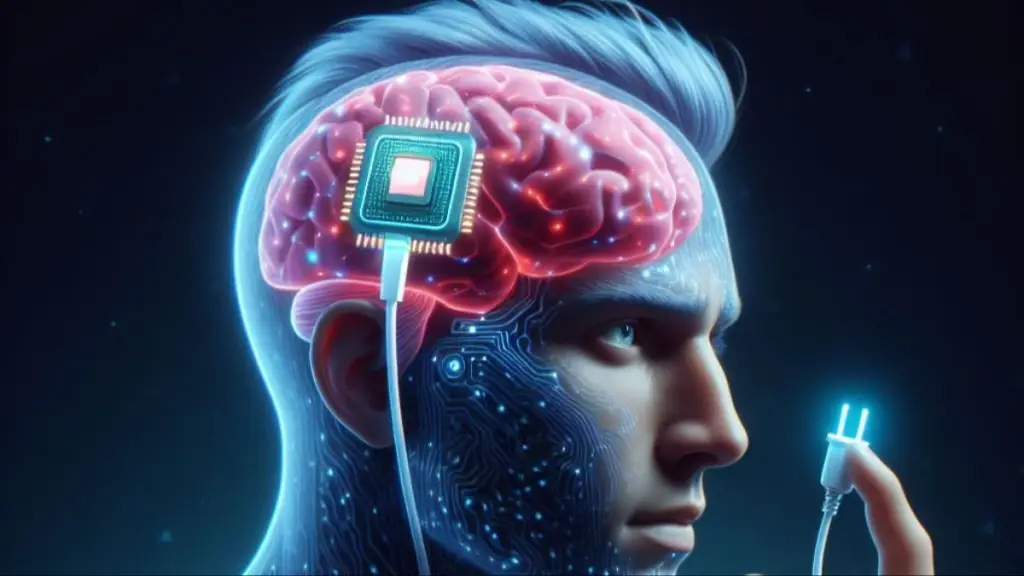
In a recent update on one of his most ambitious projects, Neuralink, Elon Musk announced positive results from their first human trial. Musk revealed that the first patient who received the neuralink brain chip implant last month is fully recovered and can now control a computer mouse using their thoughts.
“Progress was good, and the patient had made a full recovery, with no adverse neural effects that we were aware of. The patient was able to move a mouse around the screen by just thinking,” Musk said in a Spaces event on social media platform X, reports Reuters.
“We’re trying to get as many button presses as possible from thinking, so that’s what we’re currently working on is — can we get left mouse, right mouse, mouse down, mouse up,” he said, “which is kind of needed if you want to click and drag something, you need mouse down and to hold on mouse down.”
Musk said last month that the company had completed its first implantation surgery on a human test subject, after having received approval last year to study the safety and functionality of its chip implant and surgical tools on humans.
In this study, Neuralink is using a robot to surgically place a brain-computer interface implant in a region of the brain that controls the intention to move. According to the company, their initial goal is to enable people to control a computer cursor or keyboard using their thoughts.

For Musk, Neuralink is his grand ambition that aims to facilitate speedy surgical insertions of its chip devices to treat conditions like obesity, autism, depression, and schizophrenia.
What is Neuralink
Founded by Elon Musk in 2016, Neuralink is a neurotechnology company aiming to create a seamless brain-computer interface called “the Link.” This technology focuses on helping individuals with neurological conditions or traumatic injuries regain control of electronic devices using their thoughts alone.
The device i.e “The Link” itself is a coin-sized, surgically implanted chip with ultra-thin wires connecting it directly to specific brain regions involved in movement intentions. Essentially, it aims to decode and stimulate neural activity, translating thought into action.