
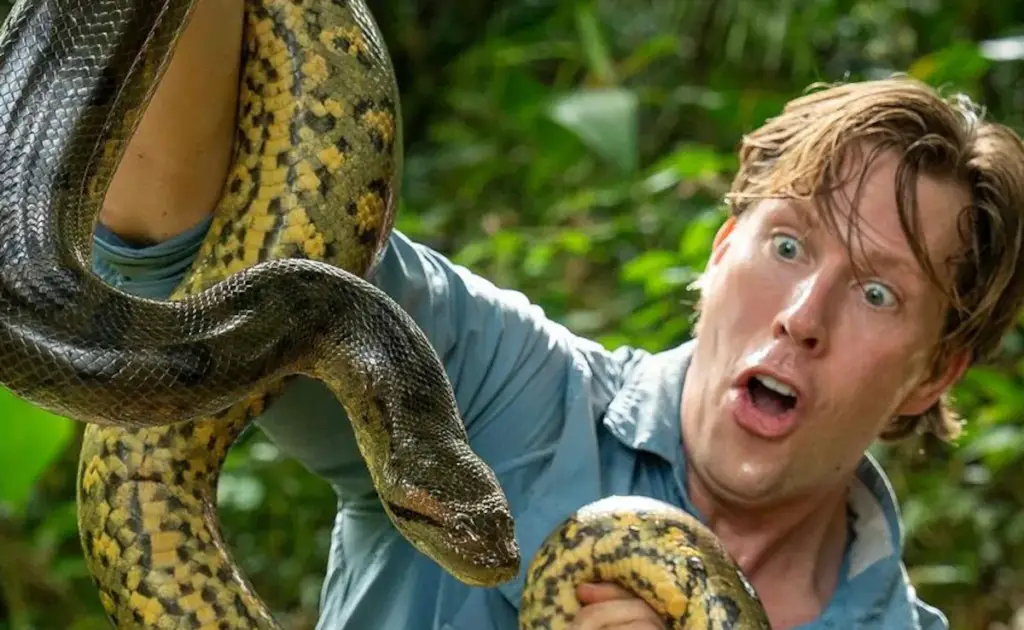
Scientists have discovered the world’s biggest snake in the heart of the Amazon rainforest. A giant anaconda, which was previously undocumented, was recently found by TV wildlife presenter, Professor Freek Vonk during a National Geographic expedition. The huge anaconda measures 26 feet long, weighs 440 pounds and its head is the same size as a human’s, Independent reported. This snake species is claimed to be the largest and also heaviest snake in the world.
The species was found during filming for the National Geographics Disney+ series ‘Pole to Pole’ with Will Smith. Researchers have given the new species the Latin name ‘Eunectes akayima’, which means the Northern Green Anaconda.
Previously, only four species of anacondas were recognized, with the green anaconda being the largest among them. Typically found in the tropical regions of South America, such as the Amazon, Orinoco, and Esequibo river basins, these anacondas are renowned for their swift movements and suffocating methods of hunting prey by coiling around them and swallowing them whole.However, a recent study spanning several decades has revealed that the green anaconda is actually composed of two distinct genetic species. Researchers collaborated with the indigenous Waorani community and conducted studies in the Baihuaeri Waorani Territory in the Ecuadorian Amazon, where they encountered and studied specimens of the newly identified northern green anaconda.
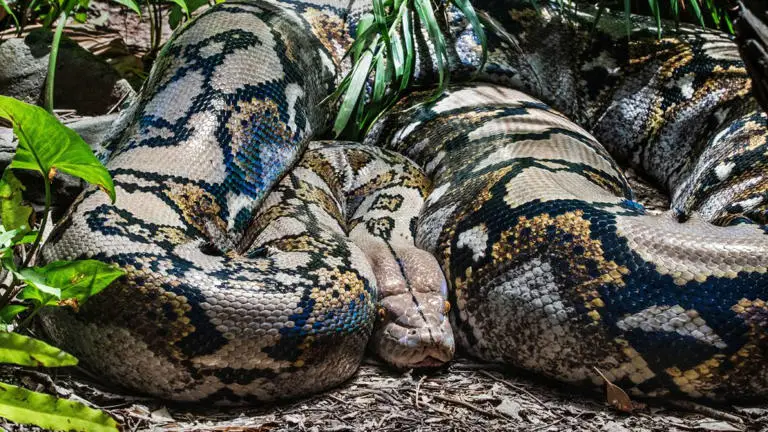
During their exploration of the Amazonian river system, scientists observed several of these newly identified anacondas, described as “lurking in the shallows, lying in wait for prey.”