
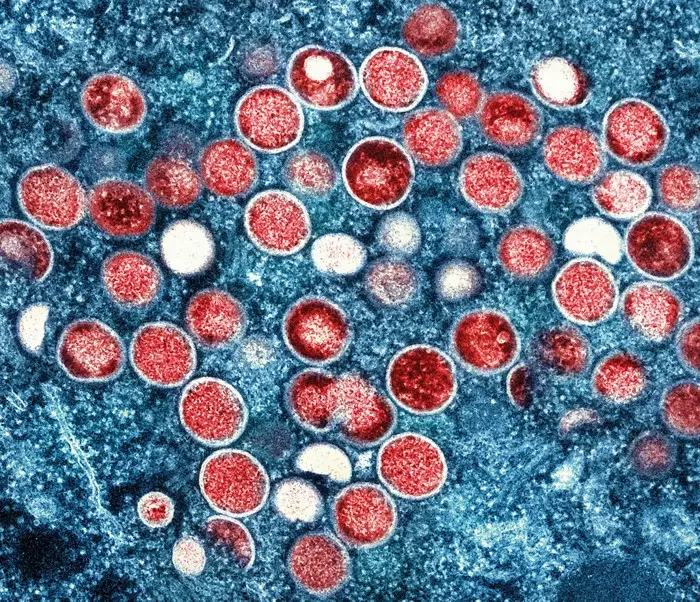
On Aug. 14, the World Health Organization (WHO) announced that the mpox outbreaks in the Democratic Republic of the Congo and other countries in Africa are a public health emergency of international concern. It’s the highest level of alarm that the WHO can sound, and it’s the second time in 2 years that the agency has declared mpox a global health emergency.
What is mpox?
Mpox (previously known as monkeypox) is a rare disease caused by a virus. It leads to rashes and flu-like symptoms. Like the better-known virus that causes smallpox, it’s a member of the genus Orthopoxvirus.
Mpox spreads through close contact with someone who’s infected. You can also get it from an infected animal.
There are two known types (clades) of mpox virus — one that originated in Central Africa (Clade I) and one that originated in West Africa (Clade II). The current world outbreak (2022 to 2023) is caused by Clade IIb, a subtype of the less severe West African clade.
This year alone, officials have recorded more than 15,600 cases and 537 deaths in Congo—the country most affected by the mpox virus. Meanwhile, nearby countries, including Rwanda, Burundi, Kenya, and Uganda, have reported mpox cases for the first time. “It’s still the tip of the iceberg that we’re capturing,” says Jean Nachega, an infectious disease epidemiologist at the University of Pittsburgh and coordinating committee chair for the African-led multicountry Mpox Research Consortium. “The situation is probably worse.”
Outside Africa, Sweden confirmed the first case linked to these recent outbreaks on Aug. 15. The person had traveled to a part of Africa where cases are surging and was infected during their stay. “It’s clear that a coordinated international response is essential to stop these outbreaks and save lives,” WHO director general Tedros Adhanom Ghebreyesus said in a media briefing on Wednesday.